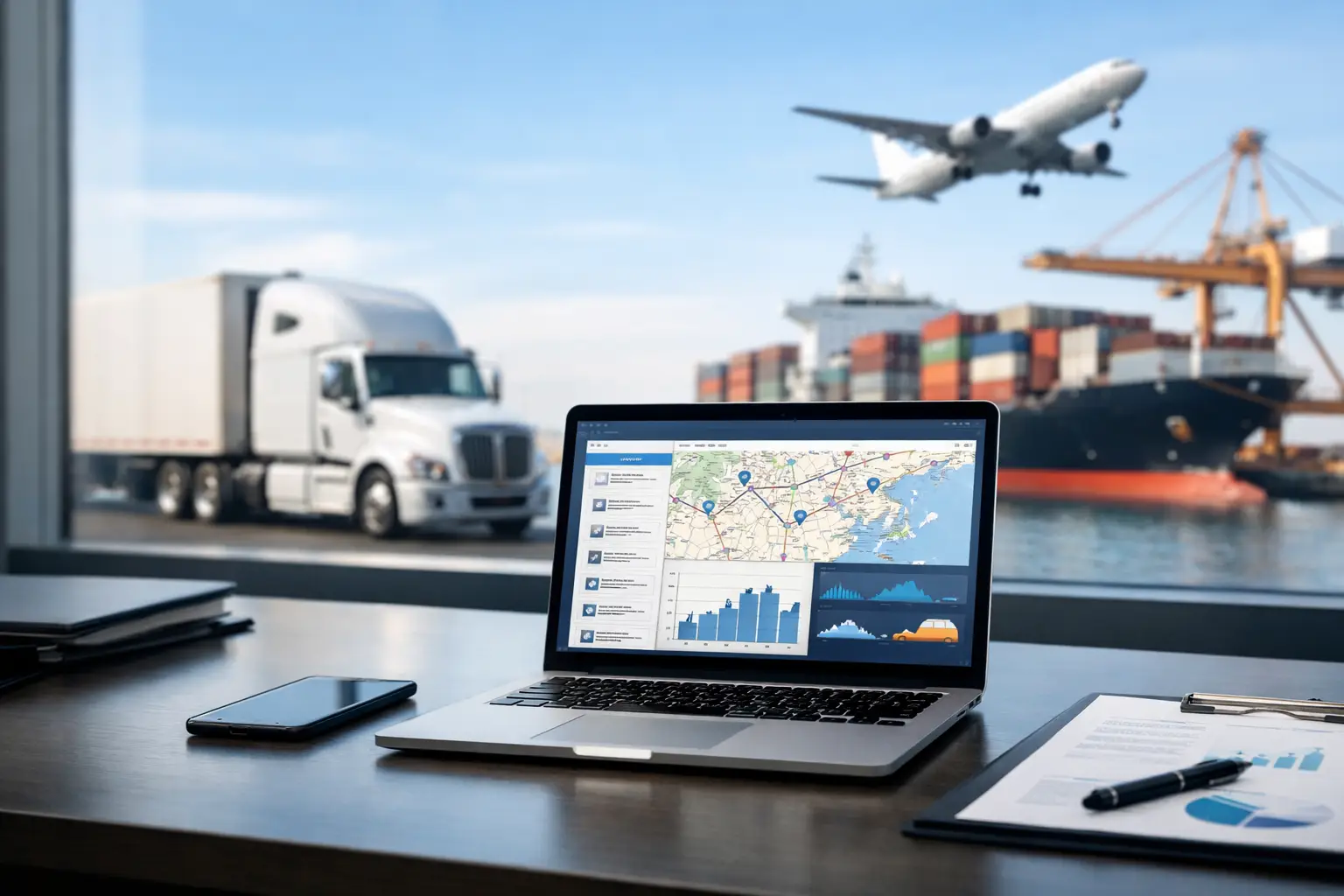

If your team is still chasing carriers by email, updating spreadsheets by hand, and explaining late deliveries after the fact, the problem is not effort. It is visibility. The best software for shipment visibility gives operations teams a live view of what is moving, what is delayed, and what needs attention before a small issue turns into a service failure.
For most businesses, shipment visibility software is no longer just a tracking tool. It sits much closer to the center of daily operations. It helps logistics teams manage exceptions faster, gives procurement and inventory leaders better timing data, and gives leadership a clearer picture of cost, risk, and carrier performance. That is why choosing the right platform matters more than choosing the platform with the longest feature list.
What the best software for shipment visibility actually does
At a basic level, shipment visibility software shows where shipments are and whether they are on time. The stronger platforms go further. They consolidate data from carriers, suppliers, warehouses, transportation partners, and ERP systems into one place so your team can work from the same version of reality.
That matters because delays rarely start and end with transportation. A missed pickup can affect production timing, customer commitments, labor planning, and inventory availability. Good visibility software helps teams connect those dots quickly.
The best systems also reduce manual work. Instead of asking staff to pull updates from portals, carrier sites, and inboxes, the software automates status updates, flags exceptions, and pushes alerts when a shipment falls outside plan. That saves time, but more importantly, it shortens response time.
How to evaluate shipment visibility software without getting distracted
A lot of platforms look similar in a demo. Most can show a map, a tracking screen, and a dashboard. The real differences appear when your team starts using the system under pressure.
The first question is data quality. If status updates are delayed, inconsistent, or incomplete, the platform will create false confidence instead of control. Ask how the provider captures data, how often it refreshes, and how exceptions are validated. Real-time visibility only matters if the information is dependable.
The second question is coverage. Some tools are strong in parcel and weak in freight. Others handle domestic transportation well but struggle with multimodal or cross-border shipments. If your operation spans suppliers, inbound loads, outbound orders, and multiple carriers, narrow tools may create another silo instead of solving one.
The third question is usability. Many organizations shopping for visibility software are trying to replace fragmented workflows, not add another complicated system. If dispatchers, planners, procurement teams, and managers cannot learn it quickly, adoption will lag. The best platform is often the one your team will actually use every day.
Core features that matter most
Real-time tracking and status updates
This is the starting point, not the finish line. You need clear shipment milestones, current location data, estimated arrival times, and delay alerts. The better systems also explain what changed and when, so teams are not just seeing movement but understanding risk.
Exception management
Shipment visibility becomes valuable when something goes wrong. Look for software that identifies missed milestones, probable delays, route issues, and handoff failures automatically. A dashboard full of shipment dots is not enough. Teams need prioritized exceptions and recommended next actions.
Integration with ERP, TMS, WMS, and carrier systems
Visibility software should not force your staff to rekey data. Integration is what turns tracking into operational control. When shipment data connects with inventory, orders, supplier records, and transportation planning, your team can make faster decisions with less manual follow-up.
Analytics and performance reporting
A strong platform should help you improve performance, not just observe it. That means carrier scorecards, lane performance, on-time trends, dwell analysis, and cost-to-serve insight. Over time, these analytics help justify process changes and vendor decisions.
Alerts and collaboration tools
When delays happen, speed matters. Automated notifications, shared notes, assigned tasks, and role-based visibility can keep teams aligned across logistics, customer service, procurement, and warehouse operations. That reduces internal back-and-forth and helps issues get resolved faster.
What buyers often overlook
One of the most common mistakes is buying for a single pain point. A company may start with the goal of tracking outbound loads, then realize the bigger issue is poor coordination between suppliers, inventory, and transportation. If the software only solves one part of that process, the team may outgrow it quickly.
Another overlooked factor is implementation speed. Enterprise buyers sometimes assume a long deployment means greater sophistication. In practice, slow rollout often delays ROI and drains internal momentum. If your team needs visibility now, ask what can realistically go live in 30, 60, and 90 days.
Support also matters more than many buyers expect. First-time software buyers in supply chain environments usually need onboarding, workflow guidance, and help setting up alerts, users, and integrations. A platform can look excellent on paper and still disappoint if the provider leaves your team to figure out adoption alone.
Best software for shipment visibility depends on your operating model
There is no single winner for every organization because shipment visibility needs vary by network complexity, shipment volume, geography, and internal maturity.
If you run a high-volume transportation network with a dedicated logistics team, you may prioritize deeper analytics, custom workflows, and advanced exception handling. If you are a mid-market company replacing manual processes, ease of use and faster implementation may matter more than edge-case customization.
If your operation depends heavily on supplier coordination, inbound visibility can be just as important as customer delivery tracking. If your customer experience depends on narrow delivery windows, ETA accuracy and proactive alerting may deserve more weight than broad reporting features.
That is why the best buying process starts with your operational bottlenecks. Are you trying to reduce expedite costs, improve on-time delivery, cut check-call labor, or gain confidence in inventory timing? The answer should shape your shortlist.
Signs a platform will deliver real ROI
The strongest shipment visibility software creates measurable operational gains within the first few months. Those gains often show up in lower manual tracking effort, faster response to delays, fewer service failures, and better planning across inventory and transportation.
There is also a financial side that matters. Better visibility can reduce detention, demurrage, premium freight, and unnecessary safety stock. It can improve carrier accountability and help teams identify recurring delay patterns that were previously hidden across disconnected systems.
For many organizations, the value is not just in seeing shipments. It is in reducing uncertainty. When teams trust the data, they make better timing decisions, communicate more confidently with customers and suppliers, and spend less time reacting blindly.
A practical shortlist mindset
When you compare vendors, keep the evaluation grounded. Ask each provider to show how the platform handles your actual workflows, not a polished generic demo. Bring examples of delayed shipments, supplier issues, or cross-functional handoffs and see how the system responds.
It also helps to ask direct questions about adoption. How quickly can a dispatcher use it effectively? How much training will managers need? What happens when a carrier data feed is incomplete? These details usually reveal more than broad claims about innovation.
For companies that want enterprise-grade capability without a heavy learning curve, CatenaLogistix fits particularly well. It is built to centralize visibility, coordination, and decision-making in one system, which is exactly what many first-time buyers need when they are trying to simplify operations rather than add another point solution.
How to make the final decision
A smart final decision balances capability, speed, and fit. The platform should solve today’s visibility gaps while giving you room to scale across locations, carriers, suppliers, and teams. At the same time, it should not require a year-long transformation project just to get useful data on screen.
Look for software that gives your team control early. That usually means clean dashboards, practical alerts, dependable integrations, and onboarding that supports fast adoption. Fancy features have value, but only after the basics are working consistently.
The right choice is the one that helps your team spend less time asking where a shipment is and more time improving what happens next. When visibility turns into faster decisions, lower costs, and fewer surprises, the software stops being a tracking tool and starts becoming an operational advantage.
The best platform is not the one with the most screens. It is the one your team trusts at 8:15 on a Monday when three shipments are late, a supplier is waiting for answers, and customers still expect you to deliver.